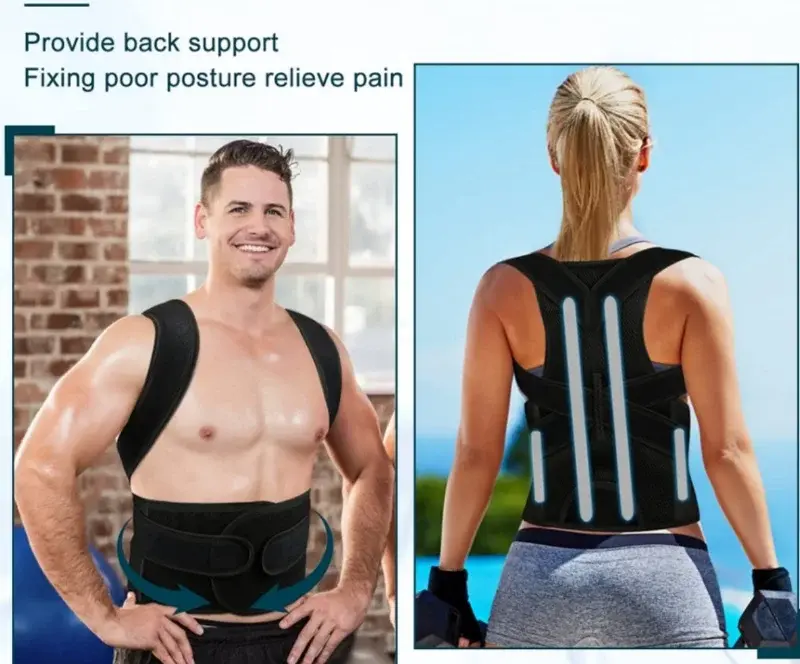
Maintaining good posture is more than just looking poised and confident. When you stand tall, you can reduce muscle tension, alleviate lower back pain, and support a healthy spine. But between hectic work schedules, sitting for hours at a desk, and juggling daily responsibilities, it’s easy for your posture to slip. If you’re ready for a little extra help, the best posture corrector for women can provide gentle support to keep your shoulders aligned, your chest open, and your back relieved of unnecessary strain.
In this article, you’ll learn how posture affects your body, what to look for when choosing a posture corrector for women, and ways to incorporate simple habits into your routine to encourage a happier, healthier spine. Whether you’re a busy professional or wearing multiple hats at home, a comfortable brace can be a game-changer in how you look and feel every day. From understanding why posture matters to picking a corrector that aligns with your style and schedule, we’re here to guide you step by step. With the right approach, you can sit, stand, and move with renewed confidence. Let’s get started.
Improve your posture awareness
Your posture awareness begins with recognizing everyday habits that might be putting stress on your spine. Many of us spend hours hunched over smartphones or laptops, unaware that our shoulders are rolling forward and our chins are jutting out. This forward head position can strain the neck, tightening muscles across your upper back. Standing or sitting properly means keeping your shoulders aligned with your hips and your ears directly over your shoulders. It might take practice, but regularly checking your posture cues can lead to big improvements over time.
One helpful exercise is to do quick posture checks throughout the day. Every hour, pause what you’re doing and take note of your upper body alignment. Draw your shoulders back slightly, tuck your chin in, and engage your core muscles. Over time, these mini check-ins remind you to keep your spine neutral, so you’re less likely to slump. When you become more aware of how you’re sitting or standing, you’ll catch yourself early if you start to slouch.
By taking a moment to align your spine and reset any time you sense tension, you’re building the foundation for a healthier back. Awareness is the first step, and it’s something you can practice whenever you’re at your desk, cooking in the kitchen, or walking around the store.
Explore the best posture corrector
Now that you’re paying closer attention to your spinal alignment, it’s time to consider the best posture corrector for women that can give you structured support. A posture corrector, often in the form of a brace worn around your upper back and shoulders, helps train your body to maintain proper alignment. When you slip it on, it gently pulls your shoulders back and reminds your muscles to hold a more upright position. Over time, your body learns to replicate that position even when you’re not wearing the device.
Modern posture correctors for women are designed with comfort in mind. They often use breathable fabrics that wick away moisture to prevent overheating. You can select a design with adjustable straps, so the brace fits your exact proportions and offers enough flexibility for daily movements. Wearing one might feel slightly restrictive at first, but after an adjustment period, it can become a natural extension of your clothing.
Keep in mind that no single product will magically fix your posture overnight. Instead, a posture corrector works best when combined with consistent posture checks and mindful habits. By exploring different options and choosing a corrector that aligns with your body, lifestyle, and comfort preferences, you’re setting yourself up for success on your journey to better posture.
Choose the right style for you
Selecting the right style of posture corrector depends on your personal preferences, your daily routine, and any underlying health conditions. Some posture correctors resemble a vest, while others are thinner and focus primarily on upper back alignment. You might prefer a more discreet option that fits under clothing, particularly if you plan to wear it at work or social events. Alternatively, if you want robust support after a workout or during heavier tasks, a slightly bulkier brace might provide the reinforcement you need.
Before you decide on a particular style, take a moment to evaluate where you tend to feel strain. If your tension centers around the shoulders, a brace with padded straps can be more comfortable. If your mid-back or lower spine often complains after a long day, look for a corrector that extends further down your back. Some designs even include waistbands to stabilize your core, distributing pressure more evenly across your torso.
It’s also worth considering how easy the brace is to put on and take off. If you have mobility issues or shoulder stiffness, a style that opens in front may be better. By choosing a corrector that fits well and feels manageable in your daily schedule, you’ll be more likely to wear it consistently and see the benefits in your posture.
Wear it for maximum comfort
Once you’ve selected a posture corrector that suits your preferences, the next step is wearing it properly so you can reap the rewards without unnecessary discomfort. As you start wearing your posture corrector, keep these tips in mind:
- Begin with 15- to 20-minute sessions, gradually increasing your wear time.
- Opt for a thin undershirt to protect your skin from rubbing.
- Ensure the straps are neither too tight nor too loose to avoid irritation.
- Check for any pinching, bunching, or restriction of movement.
- Adjust your brace throughout the day if you notice discomfort forming.
When you first start wearing your posture corrector, try limiting it to short intervals. If you wear it too long right away, you might experience muscle fatigue. By easing your way into regular usage, you’ll help your body adjust more naturally, without shocking your muscles into sudden strain.
You’ll also want to pay attention to how the brace interacts with your clothing. Consider wearing the brace over a thin T-shirt if you’re worried about rubbing or skin irritation. If you’d rather place it discreetly under a blouse or sweater, check that the straps don’t pinch or bunch. Comfort is key. The more at ease you feel, the more you’ll benefit.
Combine corrector with daily habits
Simply wearing the best posture corrector for women can significantly help, but it’s most effective when combined with consistent daily habits. Think of your posture corrector as a partner rather than a single solution. For instance, including simple exercises in your routine will complement the brace’s supportive role. Shoulder rolls, neck stretches, and gentle back extensions can help loosen tight muscles and reinforce proper alignment.
Beyond exercises, be mindful of your workstation setup. If you spend a lot of time at a computer, adjust your chair so your feet rest flat on the floor. Make sure your monitor is at eye level, preventing you from craning your neck forward. A comfortable lumbar support cushion can also make your desk chair more posture-friendly.
It also helps to keep moving throughout the day. Even short breaks to stand or walk around can reduce strain on your back. Staying hydrated, taking breaks to stretch, and switching positions periodically will remind your body that you’re dedicated to better alignment. By weaving these habits into your everyday routine, you’ll gradually train your muscles to hold good posture, with or without the brace. Over time, the combination of mindful movement and supportive gear becomes a natural part of how you carry yourself.
Maintain your back long-term
Thinking about your back health as a long-term investment can keep you motivated to stick with a posture-focused routine. While a posture corrector for women offers a short-term reminder to stay aligned, the real goal is to foster lasting muscular balance and healthy spinal curves. Over time, you might find that your shoulders naturally sit in a more open, relaxed position, and your core feels more engaged even when you’re not wearing your brace.
If you want to maintain these benefits, consider other activities that foster spinal health. Yoga and Pilates emphasize core strength and flexibility, supporting your posture from the inside out. Regular strength training, especially exercises that target the back and shoulder muscles, can further stabilize your spine. You could also explore gentle aerobic activities like swimming, which strengthens the body evenly without placing too much stress on your joints.
Nutrition and rest also play a role in your posture journey. Good nutrition supports strong muscles and healthy bone density, while quality sleep helps your body repair and recover. By pairing a posture corrector with a well-rounded lifestyle that includes consistent movement, balanced meals, and enough rest, you’re setting yourself up for a future of greater comfort and resilience.
Review key takeaways
As you work toward a more upright and confident posture, remember that using the best posture corrector for women is just one part of your overall plan. Awareness and consistent practice will solidify those positive changes. Begin by paying attention to how you sit and stand each day, then incorporate a corrector that supports your specific needs. Gradually extend the time you spend wearing your brace, ensuring it’s comfortable and not overly restrictive. Alongside those steps, simple habits such as regular stretch breaks, a properly adjusted workstation, and targeted exercises amplify the results.
Over the long run, a balanced approach ensures your back remains strong and functional. From building core stability to catching yourself when you start to slouch, every small habit contributes to a posture that not only looks great but feels great too. By reviewing these takeaways and making them part of your day, you’ll keep your spine aligned and your shoulders relaxed.
Making posture a priority at any age can transform how you move, sit, and carry yourself. When you choose the best posture corrector for women that meets your style and comfort, you’re embracing a tool that propels you forward on your wellness journey. A well-designed brace, coupled with everyday strategies like stretch breaks and ergonomic adjustments, can strengthen your core and ease tension in your shoulders and upper back. At the same time, you’re improving your circulation, boosting your energy levels, and even enhancing your overall mood.
Combine these mindful efforts with a balanced approach to nutrition, exercise, and rest, and you’ll see results that extend far beyond a straighter spine. With each small step, you’re investing in long-term relief, improved mobility, and a more confident presence in every aspect of your life. Now is the perfect time to start standing tall, feeling your best, and sharing your renewed confidence with the world.