Why posture matters for women
When you come across posture brace for women reviews, you might wonder if a brace can truly help you sit and stand straighter. The short answer is often yes. Many women between 28 and 58 find it difficult to maintain good posture while juggling daily tasks or working long hours. Over time, slouching and hunching may lead to aches, fatigue, and even self-consciousness. Improving how you carry yourself allows your muscles, bones, and joints to function more efficiently, giving you both confidence and comfort in day-to-day life.
Factors affecting your posture
- Lifestyle habits: Desk-bound jobs, prolonged phone use, or leaning forward while driving can foster poor alignment.
- Muscle imbalances: Some muscles become tight and overworked, while others remain weak and underused.
- Stress and fatigue: Tension in your shoulders and upper back can pull you forward, rounding your spine.
- Lack of awareness: It is easy to fall into bad habits, particularly when you are focused on other tasks.
By dedicating time and attention to proper posture, you can gradually retrain your body. That is where a posture brace for women comes in. It acts as a supportive tool to encourage better alignment, reminding you to keep your shoulders back and your spine upright.
How posture braces support alignment
If you are unfamiliar with posture braces, think of them as gentle reinforcements that guide your shoulders and back into a healthier position. They do not magically solve slouching overnight, but they can help you correct your posture by offering a physical reminder whenever you start to lean forward.
Types of posture correctors
- Clavicle braces: These commonly look like figure-eight straps that circle around your shoulders, gently pulling them back.
- Full back braces: Some products extend through your mid-back and include adjustable straps that support your lumbar region.
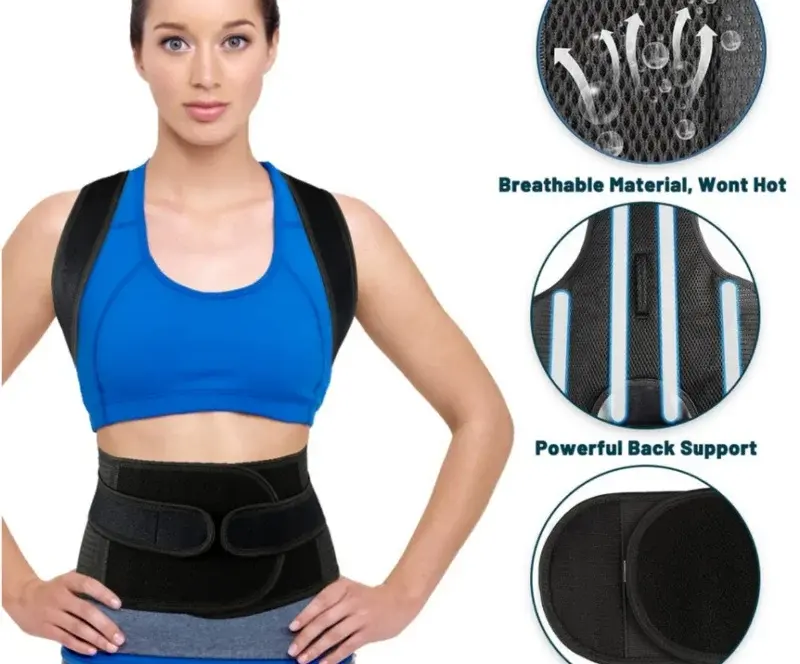
- Hybrid braces: You can find solutions that include shoulder support and mid-back coverage, often made from lightweight breathable materials.
Each style has its own advantages, and choosing one that feels comfortable is essential. If your brace is too bulky or stiff, you might be less willing to wear it consistently, which hinders your progress.
Typical features you might see
- Adjustable straps with Velcro
- Breathable fabrics such as neoprene or mesh
- Lightweight design that fits under clothing
- Padded shoulder sections to prevent discomfort
When you study posture brace for women reviews, pay close attention to these features. They can make the difference between a brace that sits in your closet and one you happily wear daily.
Understanding comfort and fit
Comfort should be your top consideration when choosing a posture corrector for women. Because you might wear it for multiple hours each day, even the slightest pinching or irritation can grow bothersome. If you feel more at ease, you will be more inclined to build a routine around wearing it.
What to look for in a comfortable brace
- Adjustable straps: The more adjustability offered, the easier it is to achieve a snug yet comfortable fit.
- Quality materials: Fabrics that are soft, breathable, and durable prevent chafing and skin irritation.
- Proper coverage: If you want support beyond the shoulders, consider a brace that extends further down your back.
Before finalizing your choice, review size charts and measuring guides from manufacturers. Wearing the wrong size can minimize the benefits of a brace or make it difficult to move naturally. If you are between sizes, some experts recommend sizing up for comfort. If you order online, remember to check return policies to avoid being stuck with an ill-fitting product.
Comparing adjustable features
An adjustable posture brace typically includes Velcro or buckle systems, allowing you to tighten or loosen the straps. The idea is to gently encourage your spine into a neutral position without restricting your range of motion. You should be able to perform everyday tasks, such as typing, cooking, or light chores, while wearing your brace.
Assessing strap design
- Dual-strap systems: These allow height and tension adjustments, often found in more advanced braces.
- Cross-back straps: This figure-eight approach targets shoulder positioning, especially helpful if slumping in the shoulders is your main concern.
- Padded or wide straps: These distribute pressure more evenly, reducing the chance of strap marks or discomfort.
Early on, you will want to fine-tune the tension. If the brace is too tight, you may feel pain or numbness in your shoulders. If it is too loose, the brace will not deliver meaningful support. Aim for a snug but never painful fit.
Materials and durability
Fabric type influences not only comfort but also how well your brace holds up over time. Materials like neoprene and cotton blends are popular choices due to their breathable quality and lightweight feel.
Common materials explained
- Neoprene: Known for flexibility and moisture-wicking, neoprene is a popular choice in posture braces. It can be more supportive and contour to your body.
- Mesh panels: Some manufacturers add mesh to improve ventilation, which can help reduce sweating.
- Cotton blends: Softness and easy washability are potential benefits, though these may stretch out sooner compared to neoprene-based braces.
As you look through posture brace for women reviews, take note of how well each item stands up to regular use and washing. Frequent laundering can degrade ill-made fabrics, causing the brace to lose elasticity or shape. A quality product should remain supportive for months or even years with proper care.
Evaluating brand reputation
When so many posture correctors for women flood the market, reading product reviews and brand reputations can help you narrow down your choices. Well-established brands often invest more in research, development, and customer service, which may translate to better overall product quality. Take your time to explore real customer opinions, but keep in mind that everyone’s body type, lifestyle, and personal habits differ.
Questions to ask in your research
- Does the brand offer customer support or a satisfaction guarantee?
- Stated or implied durability: Will the brace last a reasonable amount of time?
- Do other women mention improvement in posture, comfort, or back pain relief?
- How easy is the product to put on, adjust, and remove?
A handful of negative reviews does not always mean a product is subpar. Instead, look for patterns, such as consistent complaints about sizing or discomfort. That can clue you in on important product shortfalls.
Pricing vs. quality
With posture braces, you will find solutions ranging from budget-friendly to premium-priced models featuring advanced designs. Many mid-range products offer excellent features, while some higher-priced options may deliver extra padding, advanced adjustability, or specialized materials. Decide which features align best with your needs, rather than simply choosing the cheapest or the priciest option available.
Budget-friendly picks
- Often simpler designs
- May feature thinner fabrics or less padding
- Good for occasional wear or if you want to test a posture brace
Premium options
- Frequently use advanced materials for breathability or comfort
- Extra adjustability for a precise fit
- May come with bonus guides or storage pouches
Examine posture brace for women reviews in both price ranges to see what actual users say about the performance, longevity, and comfort of each. Sometimes you discover a hidden gem in the budget category or realize that spending more leads to greater satisfaction in the long run.
How to incorporate a posture brace into your routine
Once you find an option that feels right, it is time to integrate it into your daily life. Though you might be tempted to wear the brace from morning to night, it is generally recommended to start with shorter sessions. Over-reliance on a brace can discourage your muscles from working on their own, counteracting the intended benefits.
Step-by-step plan
- Wear it for 20–30 minutes: Start small, so your body can adjust without feeling strained or uncomfortable.
- Gradually increase the time: After a few days, consider wearing it in longer increments, such as two or three half-hour sessions.
- Listen to your muscles: If your shoulders feel particularly stiff or you experience any pain, remove the brace and allow your body to rest.
- Pair with exercises: A posture brace works best when combined with light stretches or targeted exercises for your core, back, and shoulders.
Picture it this way: The brace is your training tool, not a crutch. Let it remind you of correct positioning, but continue to build a strong foundation through gentle strength and flexibility routines.
Exercises to boost posture results
While wearing a brace can make a visible difference, adding a few supportive exercises to your daily routine can magnify the results. This holistic approach tackles any underlying muscle weaknesses and helps you hold yourself upright, even without a brace.
Upper back stretches
- Shoulder rolls: Raise your shoulders to your ears. Roll them backward in a circular motion 5–10 times. Reverse direction.
- Doorway stretch: Stand in a doorway with your arms at a 90-degree angle on each side of the frame. Step forward slightly and feel the stretch across your chest and shoulders.
Strengthening moves
- Scapular squeezes: Sit or stand tall, gently pulling your shoulder blades together for a few seconds. Relax and repeat 10–12 times.
- Planks: Engage your core and upper body by holding a plank position for 20–30 seconds, focusing on keeping your spine straight.
Core support
Remember that a strong core can help stabilize your spine. Simple routines like pelvic tilts or bridges can reinforce your lower back muscles and improve your overall posture.
Monitoring your progress
It can be tough to notice subtle changes in your stance when you look at yourself in the mirror daily. Keep track of your progress not just by how you look, but also by how you feel.
Methods to evaluate results
- Journaling discomfort: Note whether aches or tension reduce in your neck, shoulders, or lower back.
- Weekly photos: Snap pictures of yourself from the side each week, comparing improvements in alignment.
- Feedback from friends or family: Sometimes they pick up on posture changes you might miss.
Improvements can be gradual. If you remain consistent with both brace use and exercises, you will likely see greater range of motion in your shoulders and a more natural upright posture.
Addressing common questions
Posture braces often come with a fair share of curiosity. For example, many people worry about wearing one in public or how often it should be washed. Below, you will find answers to some frequently asked questions.
Will people notice my brace under clothing?
Modern posture correctors for women often use slim silhouettes that fit discreetly beneath tops or dresses. Dark clothing tends to hide outlines better. If you choose a brace with minimal bulk, it is likely no one will realize you are wearing it.
How often to clean your brace
Check the product label, but typically you can hand-wash it or use a gentle machine cycle. Air-drying is usually recommended to preserve elasticity. Consider washing it weekly or more frequently if you sweat a lot while wearing it.
Do posture braces fix bad posture permanently?
No single device immediately corrects posture for good. Braces act as catalysts, helping you build muscle memory in the short term. Real lasting changes typically happen by combining brace use, consistent exercise, and heightened awareness of how you stand, sit, and move throughout the day.
Tips for everyday posture awareness
Even a high-quality brace cannot replace developing good daily habits. These small adjustments can help you maintain an upright stance and reduce your long-term reliance on additional support.
Practical reminders
- Adjust your workstation: Make sure your computer monitor is roughly at eye level, and your chair supports your lower back.
- Use an alarm: Set a timer on your phone signaling you to sit or stand tall every 20–30 minutes.
- Stretch breaks: Periodically pause and perform simple stretches. This helps reduce stiffness in the neck and shoulders.
- Mind your shoes: Wearing supportive shoes, rather than high heels or flip-flops, can reduce strain on your spine.
Be patient with yourself. Improving posture is a journey. You might not see overnight transformations, but consistent effort can yield noticeable differences within a few weeks or months.
Reviewing top tips for selecting a posture brace
Let us recap some important points you discovered. When scanning posture brace for women reviews, pay attention to:
- Materials and breathability (neoprene, mesh, cotton blends).
- Adjustability (look for straps that you can tailor to your needs).
- Design coverage (shoulders only or including mid-back).
- Comfort (padded straps and well-sized fit).
- Brand credibility (does the manufacturer back up its product?).
These factors will help you zero in on a brace that aligns with your goals, whether you want to reduce neck pain, appear more confident, or maintain a healthy spine while working long hours.
Final takeaways for healthier posture
A posture brace can be a powerful ally when used thoughtfully. You do not have to wear it 24/7, but incorporating it into your routine, even for short periods, offers valuable feedback that guides you toward better alignment.
- Start slow with manageable wear times.
- Pair your brace with targeted exercises.
- Observe changes in pain relief, confidence, and movement.
- Check in with yourself often to ensure you remain comfortable.
- Remember that consistency is key to long-term posture improvement.
Ultimately, your body adapts to what you do most often. If you train it to sit and stand in a healthier position, you reduce the likelihood of slumping or rounding your shoulders in the future. So, explore those posture brace for women reviews, pick a supportive option that matches your needs, and give your posture the boost it deserves. You will thank yourself later when you move through life feeling lighter, more open across your chest, and well-supported every step of the way.
Try setting aside a little time today to browse your options or do a quick round of posture-friendly exercises. Even small steps can lead to big improvements in how you feel and carry yourself each day. Good luck on your journey toward better posture.