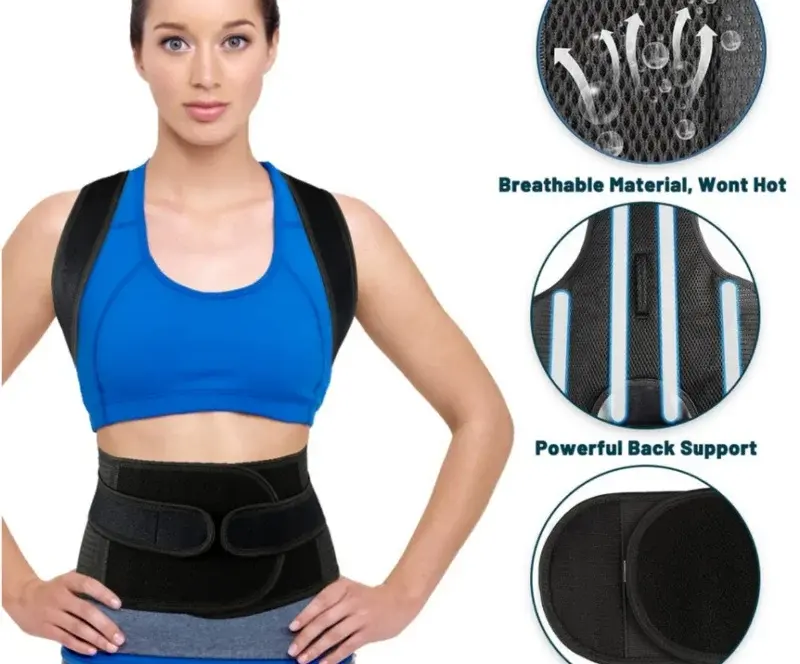
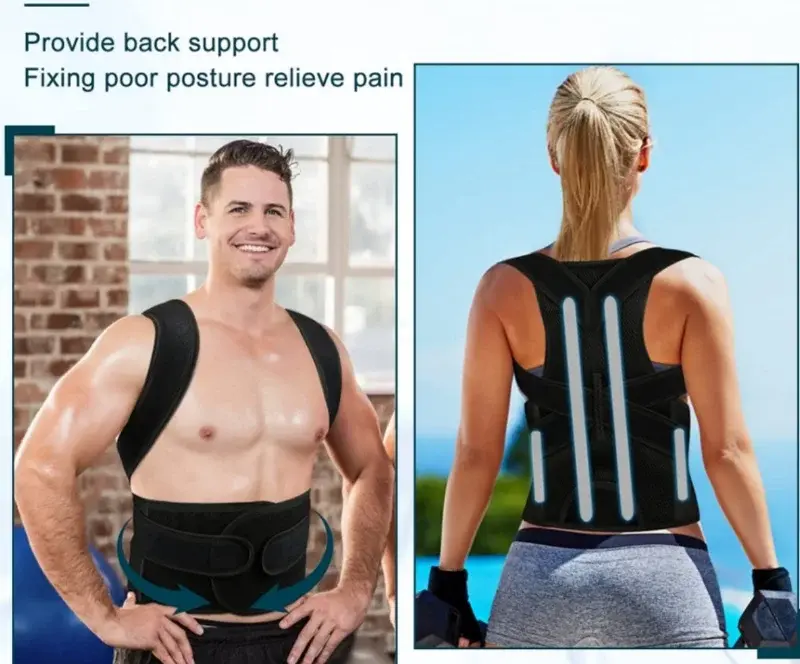
If you have spent long hours hunched over your computer or phone, you may have noticed how easy it is for your shoulders to slump forward. Over time, this can lead to persistent tension in your neck, upper back, and shoulders. Fortunately, there is a solution that is both discreet and effective: a posture corrector for women under clothes. By wearing a well-fitted posture corrector, you can support your spine and gently train your muscles to return to a healthier, more aligned position. Below, you will find everything you need to know about how posture correctors work, what features to look for, and how to wear them under your clothes without feeling restricted.
Recognize your posture needs
Why posture matters
Good posture goes beyond appearances. When you stand up straight, your spine, muscles, and joints are properly aligned. This alignment helps distribute your body weight evenly, reducing strain on particular muscles like those in your neck and shoulders. By keeping your body in an upright position, you also allow for better airflow in your lungs, which can increase your energy levels throughout the day.
There is also a psychological aspect to consider. When you walk into a room with your head held high and your shoulders back, you exude confidence. In contrast, slouching can make you feel and appear unengaged or tired. With a posture corrector for women under clothes, you can subtly guide your body into a healthier stance and gently train yourself to maintain that position more consistently.
How correctors help
A posture corrector is designed to create gentle tension across your upper body. This tension works by pulling your shoulders back to prevent them from rolling forward. Some correctors also include support around the mid or lower back, which helps reduce strain on your spine as you go about your day. By wearing a posture corrector regularly, you can gradually strengthen the muscles in your back, resulting in long-term improvements even when you are not wearing it.
You might find posture correctors especially helpful if:
- You work a desk job that causes you to lean forward for most of the day.
- You frequently look down at your phone for texting or reading.
- You experience upper-back tightness or occasional discomfort around your shoulders.
Find the right corrector
Different types for women
Posture correctors come in a variety of styles, but they typically fall into two main categories. The one you choose will depend on your specific needs and comfort preferences.
Back brace style
Back brace-style posture correctors offer broader coverage for your upper back. They often have thicker straps that wrap around the shoulders and a central panel that spans across your upper or mid back. These can be particularly useful if you want stronger support or if you find that your slouching habit is quite severe.
Pros:
- More robust support to help keep your shoulders from rolling forward.
- Often includes adjustable straps to customize your fit.
Cons:
- Can be bulkier under tight clothing.
- May generate extra warmth if you choose a heavier material.
Strap-based style
Strap-based posture correctors look like thin harnesses you wear around your shoulders. They are typically made of flexible, breathable materials that you can easily conceal under tops and dresses. This style is great if you prefer something lightweight or if you aim to wear your corrector for extended periods during work or social events.
Pros:
- Less noticeable under clothing.
- Allows you to move more freely without feeling restricted.
Cons:
- May provide less overall support, especially if you have a pronounced slouch.
- Straps can dig in if you choose the wrong size or if you wear it too tight.
Key features to consider
No matter which style you lean toward, certain features can enhance your comfort and overall results:
- Adjustable straps: Make sure you can tighten or loosen the straps easily to get the right level of support.
- Breathable material: Look for fabrics such as neoprene blends or mesh that allow airflow, preventing sweat buildup.
- Lightweight design: When wearing a posture corrector for women under clothes, you do not want a device that feels heavy or overly restrictive.
- Proper sizing: Most posture correctors come with a size guide. Measure your chest and under-bust area to pick the size that fits you best.
Wear it under clothes
Comfort tips
One of the biggest concerns with posture correctors is whether they will show through your clothing. Luckily, there are ways to minimize visibility and ensure all-day wear.
- Pick thinner fabrics: A lightweight posture corrector is less likely to create lumps or bumps underneath your shirt or sweater.
- Avoid over-tightening: You want enough tension to pull your shoulders back, but not so much that it leaves marks on your skin or creates bulges in your clothing.
- Layer strategically: If your outfit includes layers, place the corrector over a thin undershirt, then top it with a looser blouse or cardigan.
Once you find a setup that works, check your alignment in a mirror. The corrector should gently encourage your shoulders to stay back without digging into your skin or limiting your arm movement.
Style considerations
Discreetness is key when you are looking for a posture corrector for women under clothes. Thankfully, many correctors now come in neutral colors like black, beige, or light gray, which helps them blend with your wardrobe. If you tend to wear light-colored or white clothing, consider a nude-tone posture corrector that is less visible.
You can also:
- Opt for bras with supportive back panels that provide a similar effect if you have only mild posture issues.
- Choose posture tank tops that integrate corrective elastics into the garment itself.
- Look for seamless edges to minimize lines under thin or fitted outfits.
Add supportive habits
A posture corrector can boost your alignment, but you should also incorporate some healthy habits to reinforce long-term improvements. Think of your corrector as training wheels. Eventually, you will want to ride comfortably on your own as you build your back and core strength.
Effective exercises
Targeted exercises and stretches can speed up your posture transformation. Consider adding some of the following to your weekly routine:
- Shoulder squeezes:
- Sit or stand up straight.
- Pull your shoulder blades together and down, as if you are pinching a pencil between them.
- Hold for a few seconds, then release.
- Repeat 10 times, at least twice a day.
- Cat-camel stretch:
- Begin on all fours, with your hands below your shoulders and knees under your hips.
- Arch your back upward, tucking in your chin (cat position).
- Slowly drop your belly toward the floor, lifting your head and tailbone (camel position).
- Move fluidly between these two positions for about 10 reps.
- Plank variations:
- Get into a push-up position, resting on your forearms.
- Keep your body straight, engaging your core to prevent sagging.
- Aim for 20–30 seconds initially, working up to a minute or more as you build strength.
- Doorway stretch:
- Stand in a doorway with your arms bent at 90 degrees, forearms against the frame.
- Step forward with one foot, feeling a gentle stretch in your chest.
- Keep your shoulders down and relaxed.
- Hold for 20 seconds, then release.
By consistently practicing these exercises, you will strengthen the muscles that help keep your spine upright, meaning you will rely less on a corrector over time.
Lifestyle adjustments
Alongside exercises, small changes in your daily habits can give your posture a meaningful boost:
- Adjust your workstation: Make sure your monitor is at eye level and that your chair provides good lumbar support.
- Avoid prolonged sitting: Take breaks every 30 minutes to stand up, stretch, or walk around.
- Practice mindful posture checks: Every hour or so, stop what you are doing, roll your shoulders back, and elongate your spine.
- Sleep on a supportive surface: A medium-firm mattress and a pillow that maintains proper neck alignment can help you stay aligned overnight.
Comparing posture correctors
Because you might be looking for the best posture corrector for women under clothes, below is a quick look at how certain general features stack up. This table provides a starting point for comparing different posture correctors without focusing on specific brands. If you need formal medical advice, be sure to consult a healthcare professional.
| Feature | Back brace style | Strap-based style |
|---|---|---|
| Support level | High support from shoulder to upper back. | Moderate support focusing mainly on shoulders. |
| Comfort under clothes | Can feel bulkier, especially under fitted tops. | Generally discreet, less likely to show through clothing. |
| Adjustability | Wider straps with bigger buckles for secure fit. | Thin, minimal straps, may be adjusted using Velcro or plastic slides. |
| Best for | More severe slouching or back discomfort. | Mild to moderate posture correction during daily activities. |
When comparing options on the market, always read product descriptions carefully and check for a size chart. If possible, look for customer reviews or medical recommendations to ensure that the corrector meets your specific needs.
Key takeaways
- Using a posture corrector for women under clothes can help you maintain alignment throughout your busy day, whether you are at work, running errands, or relaxing at home.
- Decide which style to choose based on how much support you need. Back brace designs might be better if you are dealing with significant slouching, while strap-based options might be more discreet and comfortable if you have milder issues.
- Focus on breathable, lightweight fabrics and adjustable straps. This ensures you can wear the corrector unobtrusively under your favorite sweaters or blouses.
- Reinforce your posture by adding targeted exercises like shoulder squeezes, planks, and stretches. Minor daily habits like adjusting your workspace and taking frequent breaks also go a long way toward improved alignment.
- Keep in mind that posture correctors are tools, not permanent crutches. Over time, you want to train your muscles to stay aligned without support.
With the right posture corrector, you can feel more confident, reduce back and shoulder strain, and move with greater ease. Slip one on under your clothes, take a few deep breaths, and head out the door knowing that you are giving your spine the help it deserves. By combining a supportive corrector with gentle exercises and mindful daily habits, you will be well on your way to enjoying better posture and improved overall comfort.