
If you have ever felt self-conscious about slouching or noticed your shoulders rounding forward during long days at a desk, you may be curious about how a posture corrector for women can transform not just the way you stand, but the way you carry yourself in every aspect of life. Good posture is more than a physical alignment. It can influence your energy levels, focus, and overall sense of self-assurance.
Developing strong posture habits can be tricky when you juggle work, family, and personal responsibilities. That is where a targeted posture corrector can come in. By gently guiding your shoulders back and keeping your spine properly aligned, you can enjoy immediate improvements in how you look and feel. Over time, this boost in body awareness often translates into better posture all day long, even when you are not wearing the device. Below, you will explore why posture matters, how a posture corrector for women can make a real difference, and which strategies will help you get the most out of your posture-boosting routine.
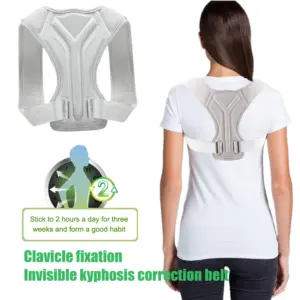
Understand how posture shapes your confidence
You might equate good posture with an upright back and relaxed shoulders, but there is more to it than just appearances. The way you position your body can heavily influence your mood, your breathing patterns, and even your mental state. When you hold your head high, you project a sense of confidence that others instinctively notice. Over time, this confidence can grow internally as well, helping you feel more empowered in personal and professional settings.
Recognize posture signals
- Raised, tense shoulders: This can signal stress or discomfort.
- Sunken chest: Often linked to low confidence, fatigue, or poor breathing.
- Tilted head: Might indicate you are straining your neck to see the screen or phone.
- Locked knees: Can cause discomfort in the lower back when standing for long periods.
By checking in with how your shoulders, spine, and head align throughout the day, you can catch posture slips early. And once you become aware of these signals, the next step is finding a simple, supportive tool to guide you back to proper alignment.
Discover the benefits of a posture corrector
A posture corrector for women offers both immediate and long-term perks. In the short term, wearing it can help pull your shoulders back so your chest is open and your spine is straight. This instant shift can positively affect how you feel about yourself, since standing tall naturally correlates with a more self-assured presence. But the rewards of a posture corrector stretch far beyond a quick fix.
Physical advantages
- Aligns your spine: By keeping your shoulders and back in their ideal positions, a corrector relieves pressure on your neck and helps prevent aches.
- Optimizes breathing: An open chest promotes deeper breaths, which can help stabilize your energy levels and soothe tension.
- Reduces strain: Proper alignment can lessen the stress on ligaments and muscles, minimizing the potential for pain after long hours sitting or standing.
Mental and emotional benefits
- Boosts self-image: Looking taller and feeling more upright can send a powerful message to your brain that you are poised and capable.
- Improves focus: When you are not distracted by back or neck pain, you can concentrate better on your tasks, whether at work or at home.
- Supports consistency: Relying on a posture corrector reminds you to regularly check in with your body and maintain healthy posture even when you take it off.
Choose the right posture corrector for women
Selecting a posture corrector is not just about finding one that fits. You also want to ensure it matches your lifestyle, comfort needs, and personal preferences. To find the right tool, consider how and when you plan to wear it, and think about any specific challenges with your current posture.
Factors to consider
- Size and adjustability: Look for a device that fits well around your torso and can be tightened or loosened as needed.
- Material quality: Soft, breathable materials can help prevent skin irritation and keep you comfortable for longer stretches.
- Discreet design: If you plan to wear a posture corrector under clothing, choose a slim-fitting style that will not show bulky seams.
- Ease of cleaning: Since regular wear can lead to sweat or skin oils, make sure the corrector is easy to hand-wash or throw in the laundry.
Common types of correctors
- Back brace: Offers firm support around the upper back and shoulders, suitable if you spend long hours at a desk.
- Posture bra: Combines everyday bra support with posture enhancement, good for consistent daily use if you want an all-in-one solution.
- Shoulder strap: Minimalist design that focuses on drawing shoulders back without covering much of your back or torso.
Each style can be beneficial, so you may want to try more than one type until you find a design that works seamlessly with your routine.
Incorporate daily posture-boosting habits
Even the best posture corrector for women works best when paired with lifestyle changes that help your body remain aligned. These additional strategies can make your posture-correcting journey more successful.
Desk and screen setup
- Adjust your chair height: Your feet should rest flat on the floor, and your knees should form a 90-degree angle.
- Position your monitor: The top third of your computer screen should be at eye level to avoid constant neck bending.
- Support your lower back: Lumbar cushions or a rolled-up towel can help maintain the natural curve of your spine.
By optimizing your workspace, you reduce the strain on your neck, shoulders, and back, setting a strong foundation for good posture.
Activity breaks
- Stand up every hour: A simple stretch or short walk helps your body reset.
- Shoulder rolls: Gently roll your shoulders back and down for a few seconds to relieve tension.
- Neck stretches: Tilt your head side-to-side or forward-and-back to keep your neck from getting stiff.
Frequent movement breaks promote blood flow, encourage a natural posture reset, and keep muscles from cramping up during long periods of sitting.
Develop a consistent routine
A posture corrector is most effective when you use it regularly but not excessively. Your goal is to learn and reinforce the feeling of good posture, so it becomes second nature. Building a sustainable daily regimen allows you to gradually strengthen the muscles that support your spine.
Starting small
- Set time goals: Wear the posture corrector for just 15 or 20 minutes at first, then gradually increase as you grow accustomed to it.
- Focus on comfort: If you notice pinching or discomfort, adjust the straps or loosen the fit. You should feel supported, not restricted.
- Integrate with daily tasks: Put it on before you begin a task that typically leaves you slouching, like working on your laptop or cooking a meal.
Tracking progress
- Journal your experience: Note any pain relief, improved focus, or increased confidence you feel after using the device.
- Track posture changes: Some people like to take weekly photos or jot down specific posture measurements, such as shoulder alignment.
- Celebrate small wins: Did you feel more energized by midday? Did a colleague comment on how you seem more poised? Recognize these changes, and keep going.
This gradual approach prevents over-reliance on the corrector and gives your muscles a chance to build strength naturally.
Avoid common mistakes
Making sudden, drastic changes to your posture can create strain, so it is essential to ease into the process. A posture corrector is a helpful tool, but overusing it or neglecting complementary exercises could limit your long-term gains.
Over-reliance on braces
- Over tightening: Pulling the straps too tightly can limit your range of motion and cause discomfort.
- Wearing it all day: A corrector should support your muscles, not replace them. If you rely on it constantly, your core and back muscles will not build the strength needed for natural upright posture.
- Ignoring body cues: If discomfort persists or you develop skin irritation, give yourself breaks and adjust how snugly you fasten the device.
Neglecting exercise
- Skipping core workouts: Strong abdominal and back muscles are key to supporting your spine, so try simple planks or bridges as part of your fitness routine.
- Forgetting flexibility: Gentle stretches for your hips, shoulders, and neck allow your body to stay supple, making correct posture easier to maintain.
- Rushing results: You may be eager to stand perfectly straight, but try to be patient. Strengthening postural muscles takes time and consistency.
Celebrate your progress
One of the most rewarding parts of using a posture corrector for women is noticing how your confidence shifts as your posture improves. Feeling proud of even minor improvements can motivate you to keep going, continue wearing the device as recommended, and invest in healthy movement habits.
Physical changes to notice
- Straighter silhouette: Standing tall can make your frame look leaner and more balanced.
- Less daily discomfort: Reduced muscle tension, fewer headaches, and more relaxed shoulders can make everyday tasks more enjoyable.
- Fuller breathing: A lifted chest and open shoulders allow your lungs to expand more naturally, fostering a sense of calm.
Confidence milestones
- Self-assured body language: Whether you are walking into a meeting or meeting friends for dinner, you will project a poised presence.
- Greater motivation: Feeling good about the way you carry yourself can spill into other areas of life, such as adopting healthier eating or exercise routines.
- Positivity in social moments: Being comfortable in your own body can help you engage more confidently during conversations and social events.
By acknowledging these markers of progress, you nurture a positive mindset and maintain momentum in your posture-improvement journey.
Key takeaways
- Improve awareness first: Pay attention to cues like shoulder tension and hunched backs, then make adjustments before they become habits.
- Invest in the right device: The best posture corrector for women should match your size, comfort preferences, and everyday activities.
- Start small and build up: Wear your corrector for short intervals, focus on proper fit, and gradually increase usage over time.
- Pair with movement: Strengthening your core and incorporating daily breaks or stretching sessions ensure that your posture improves naturally.
- Celebrate your success: Notice changes in how you stand, how you feel, and how people respond to your newly aligned presence.
Standing taller does not just help you look more confident, it can spark a deeper shift in how you view yourself and your capabilities. Whether you are new to posture-correcting methods or you have tried them before, a thoughtful approach centered on gradual progress can make all the difference. Use a quality posture corrector for women as a supportive guide, remember to balance your usage with core-strengthening exercises, and trust that as you develop a healthier alignment, your self-confidence will also flourish. You deserve to both look and feel your best every day.
